Comprehensive Dietary Insights

Understanding Foods and Essential Vitamins for Male Well-being

Educational content only. No promises of outcomes.

Understanding Male Nutrition Basics

Nutrition serves as the foundation for maintaining general health and vitality. For individuals focused on their well-being, understanding the fundamental principles of nutrition is essential. This section introduces the key concepts surrounding macronutrients and their general roles in supporting the body's functions.

Macronutrients Overview

  • Proteins: Essential amino acids support various bodily functions including muscle maintenance and enzyme production
  • Carbohydrates: Provide energy and support brain function through glucose metabolism
  • Fats: Crucial for hormone production, nutrient absorption, and cellular health

A balanced diet that incorporates appropriate proportions of these macronutrients contributes to overall health maintenance and sustained energy levels throughout the day.

Learn More

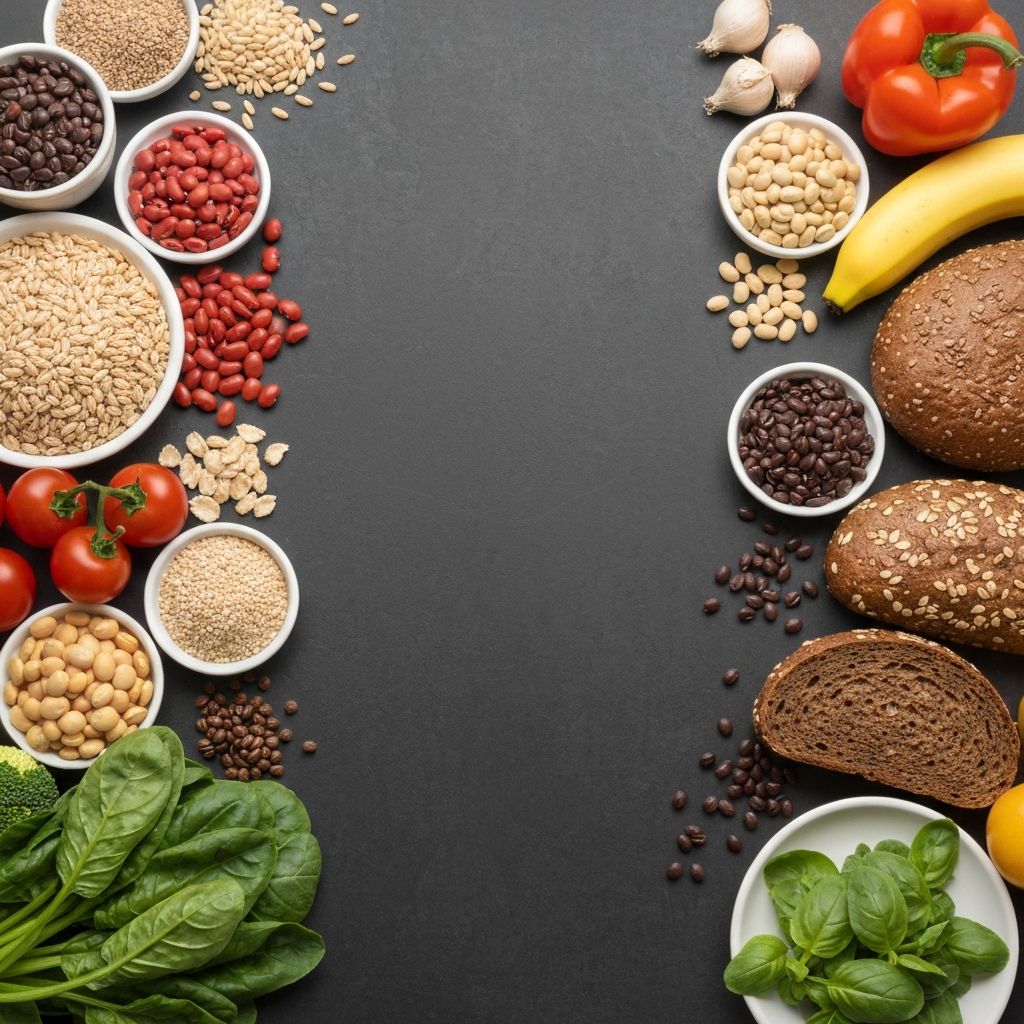
Male nutrition basics with balanced food composition

The Role of Essential Vitamins

Vitamins play an integral role in supporting various bodily functions. Each vitamin contributes uniquely to maintaining general health and supporting the body's natural processes.

Key Vitamins for General Health

  • Vitamin D: Supports bone health and general immune function through calcium absorption and regulation
  • B-Complex Vitamins: Support energy metabolism, nervous system function, and red blood cell formation
  • Vitamin C: Contributes to immune support and collagen synthesis for general tissue health
  • Vitamin E: Provides antioxidant support for cellular protection

These vitamins can be obtained through a varied diet rich in whole foods, supporting your body's nutritional needs naturally.

Minerals for Men's Health

Essential minerals contribute significantly to maintaining various bodily processes. Understanding the functions of key minerals helps in making informed dietary choices.

Critical Minerals and Their Functions

  • Zinc: Supports immune function and protein synthesis
  • Magnesium: Contributes to muscle function, energy production, and bone health
  • Selenium: Provides antioxidant support through selenoprotein synthesis
  • Iron: Essential for oxygen transport and energy metabolism

Incorporating mineral-rich foods into your diet naturally supports these essential functions.

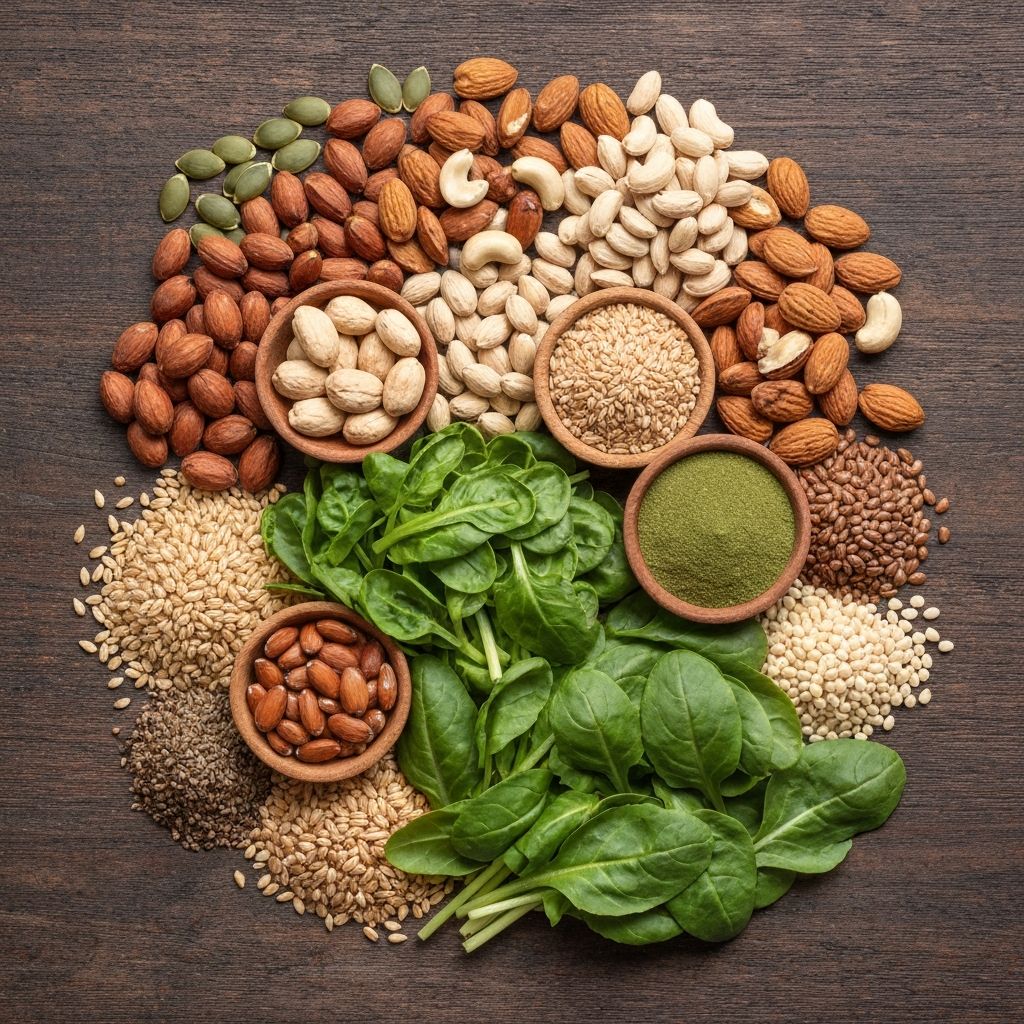
Mineral-rich foods including nuts, seeds, and vegetables

Food Groups for a Balanced Diet

Fruits & Vegetables

Rich in vitamins, minerals, and fiber. A variety of colors ensures diverse nutrient intake and supports general health through phytonutrients.

Proteins

Both animal and plant-based sources provide amino acids necessary for various bodily functions including muscle maintenance and enzyme production.

Whole Grains

Provide sustained energy through complex carbohydrates, fiber for digestive health, and various B vitamins for metabolic support.

Healthy Fats

Support hormone production, nutrient absorption, and cellular health. Sources include nuts, seeds, and fatty fish rich in omega-3 fatty acids.

Dairy & Alternatives

Provide calcium and protein, essential for bone health and various physiological functions. Alternatives offer similar nutritional benefits.

Legumes

Excellent plant-based protein sources with high fiber content, supporting digestive health and sustained energy levels.

Antioxidants and Their Benefits

Colorful antioxidant-rich foods with berries and vegetables

Antioxidants are naturally occurring compounds found in foods that help protect cells from oxidative stress. Understanding their general role contributes to informed dietary choices.

Common Sources of Antioxidants

  • Berries (blueberries, blackberries, raspberries)
  • Dark leafy greens (spinach, kale)
  • Colorful vegetables (tomatoes, bell peppers, carrots)
  • Green tea and dark chocolate
  • Nuts and seeds

Antioxidants and Cellular Health

The body naturally experiences oxidative processes. Antioxidants from food sources support the body's natural defense systems through various mechanisms.

Consuming a variety of antioxidant-rich foods contributes to general well-being as part of a balanced dietary approach to health maintenance.

Antioxidant sources including dark chocolate and green ingredients
Superfoods composition with pomegranate and various healthy ingredients

Building Antioxidant Intake Naturally

Rather than viewing antioxidants in isolation, they are best obtained through a diverse diet rich in whole foods. This natural approach ensures you receive not just antioxidants, but a complete nutritional profile.

A diet abundant in colorful fruits, vegetables, whole grains, and nuts naturally provides the antioxidants your body needs for general health maintenance.

Hydration for Well-being

Water is fundamental to all bodily functions. From temperature regulation to nutrient transport and waste elimination, proper hydration supports general health across all life domains.

General Hydration Guidelines

While individual hydration needs vary based on activity level, climate, and personal factors, maintaining consistent water intake throughout the day supports optimal bodily functions. Most approaches recommend observing thirst cues and urine color as practical indicators of hydration status.

Beyond water, hydration can also come from other beverages and water-rich foods such as fruits and vegetables, contributing to overall daily fluid intake.

Dietary Fiber: Sources and Importance

Dietary fiber is a crucial component of a healthy diet, yet it often receives less attention than other nutrients. It plays essential roles in supporting digestive health and general well-being.

Types of Dietary Fiber

  • Soluble Fiber: Dissolves in water, supporting healthy cholesterol levels through various mechanisms
  • Insoluble Fiber: Promotes digestive movement and supports regular digestive function

Excellent Fiber Sources

  • Whole grains and oats
  • Fruits and berries
  • Vegetables, especially leafy greens
  • Legumes and beans
  • Nuts and seeds
High fiber foods including whole grains, vegetables and legumes

Healthy Fats Explained

Not all fats are created equal. Understanding the different types of fats and their roles in the body is essential for making informed dietary decisions.

Unsaturated Fats

These fats support various bodily functions and are found in foods like olive oil, nuts, seeds, and fatty fish. Omega-3 and omega-6 fatty acids are particularly important.

Saturated Fats

Found primarily in animal products and some plant oils. Moderation in consumption is generally recommended as part of a balanced dietary approach.

Protein: Building Blocks of Life

Protein is essential for numerous bodily functions, from muscle maintenance to hormone production and enzyme synthesis. Both the quantity and quality of protein intake matter.

Animal-Based Protein Sources

  • Lean meats and poultry
  • Fish and seafood
  • Eggs
  • Dairy products

Plant-Based Protein Sources

  • Legumes (beans, lentils)
  • Nuts and seeds
  • Whole grains
  • Soy products
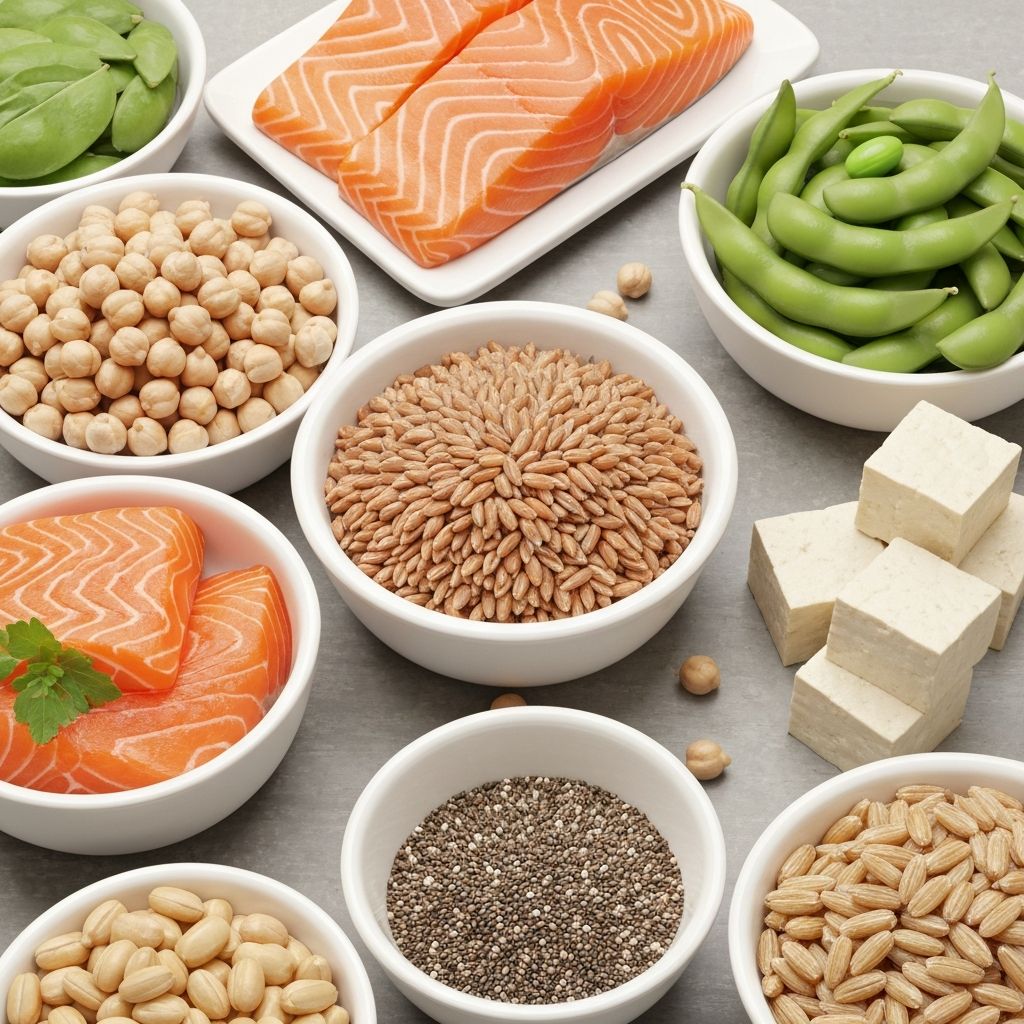
Diverse protein sources including fish, eggs, legumes and nuts

Lifestyle Factors and Nutrition Synergy

Nutrition does not exist in isolation. General lifestyle factors work in synergy with dietary choices to support overall well-being.

Physical Activity

Regular movement supports muscle health, cardiovascular function, and metabolic processes. Proper nutrition fuels these activities effectively.

Sleep Quality

Adequate sleep supports recovery, hormone regulation, and metabolic health. Nutrition influences sleep quality through various mechanisms.

Stress Management

Chronic stress affects nutritional needs and digestive function. Managing stress through various approaches supports nutritional health.

Social Connection

Eating in social contexts influences food choices and digestion. Shared meals contribute to overall well-being beyond nutrition alone.

Understanding Nutrient Absorption

Healthy digestive wellness and nutrient absorption concept

Consuming nutrients is only part of the equation. The body must absorb and utilize these nutrients effectively. Various factors influence this process.

Factors Influencing Nutrient Absorption

  • Digestive Health: A healthy gut supports nutrient absorption and assimilation
  • Food Preparation: Cooking methods can affect nutrient availability
  • Nutrient Combinations: Some nutrients enhance absorption of others
  • Individual Factors: Age, genetics, and health status influence absorption rates
  • Hydration Status: Proper hydration supports digestive function

This is why a diverse, whole-food based diet is generally more beneficial than focusing on single nutrients in isolation.

General Dietary Planning Principles

Rather than rigid prescriptions, the following principles provide flexible guidance for making balanced dietary choices.

Variety

Different foods provide different nutrients. A varied diet ensures comprehensive nutritional intake.

Moderation

Portion control supports appropriate caloric intake and prevents excessive consumption of any single food.

Whole Foods

Minimally processed foods retain more nutrients and support better overall dietary quality.

Understanding Nutritional Context

The information provided on this site is educational in nature. It describes general nutritional principles and the roles of various nutrients in supporting health. This is not personalized nutritional advice. Individual nutritional needs vary based on numerous factors including age, activity level, health status, and personal circumstances. The diversity of approaches to healthy eating means that multiple valid dietary patterns exist. This educational content does not serve as a substitute for personalized guidance from qualified healthcare professionals. Different individuals may benefit from different dietary approaches based on their unique situations and health profiles.

Continue Exploring Nutritional Insights

Discover more detailed information about nutrition, specific food groups, and how various dietary approaches support general health and well-being.

Gain Understanding Read Further

Educational content only. No promises of outcomes.